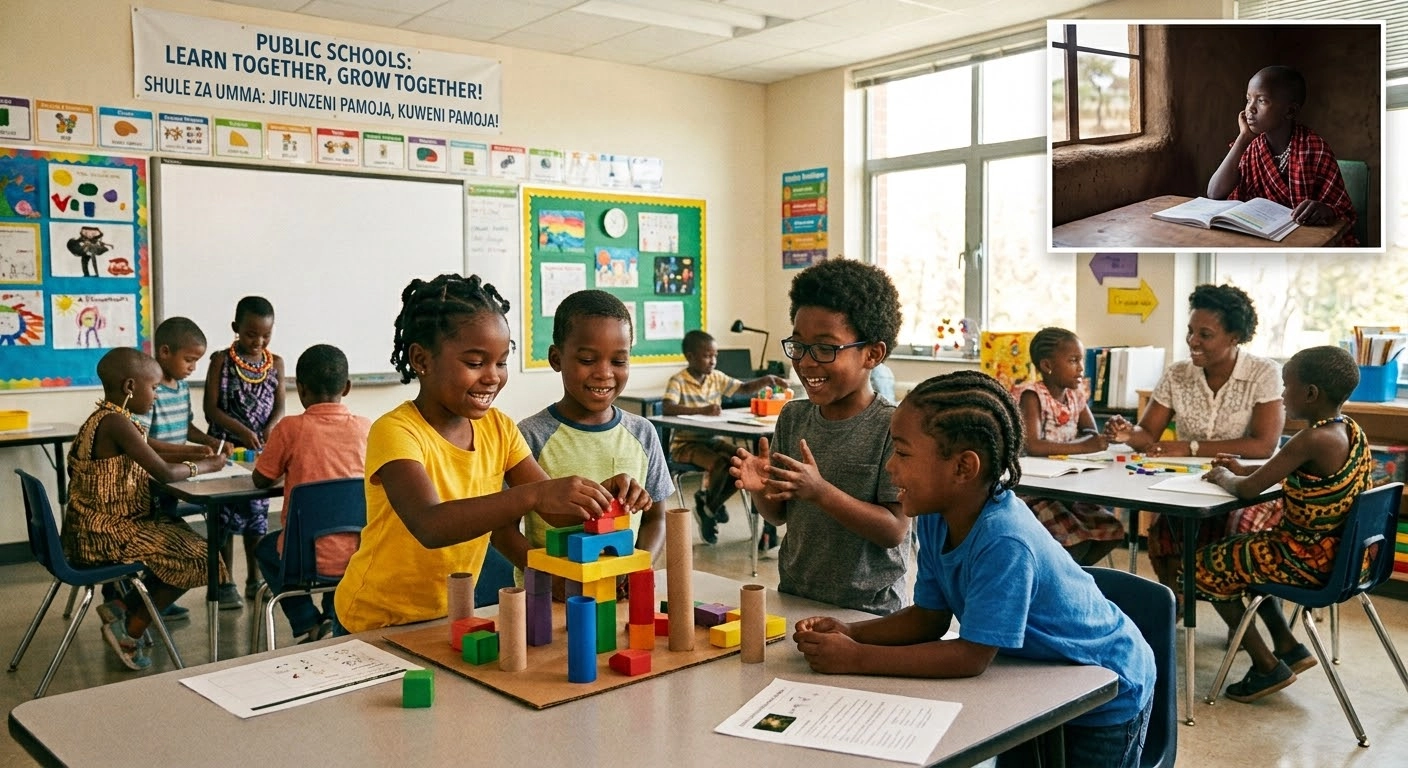
Nigeria continues to face one of the world’s largest out-of-school children crises, with millions of children deprived of access to quality education. Northern Nigeria remains the most affected region, where poverty, insecurity, child labour, and social barriers continue to prevent children from attending school.
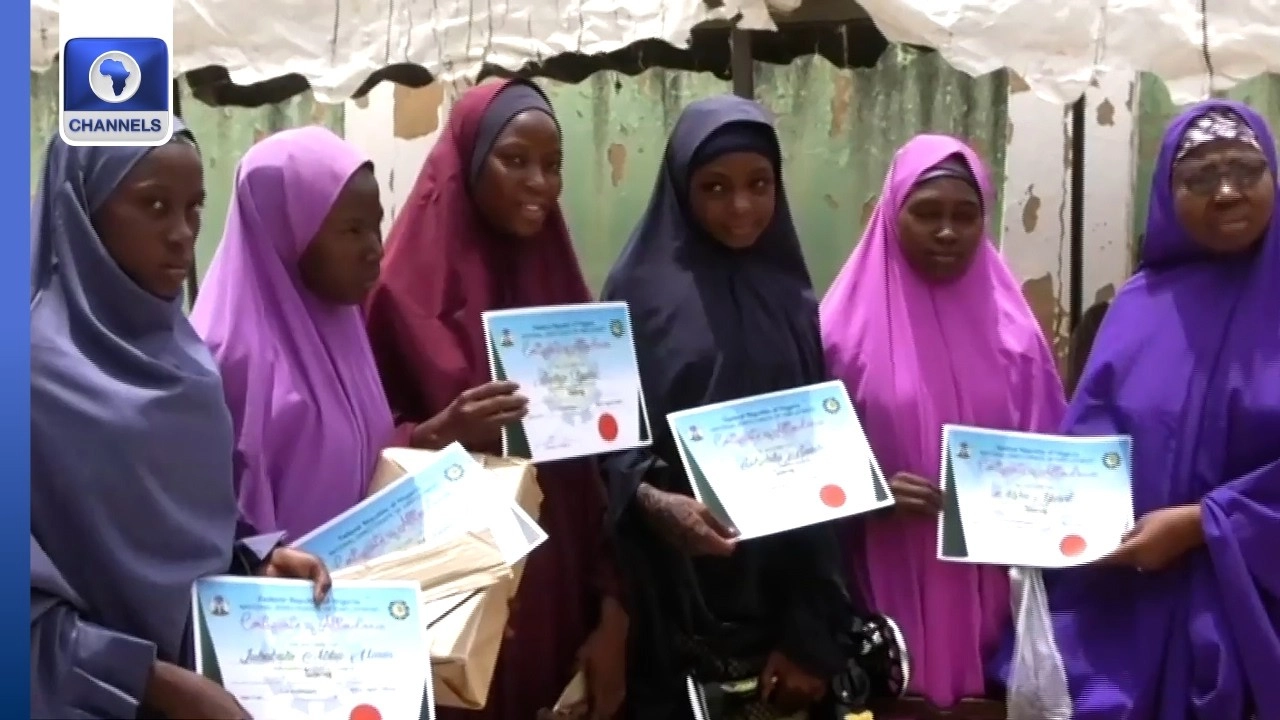
Recently, a major intervention by the European Union (EU) brought renewed hope to vulnerable children in Jigawa State as 411 out-of-school children were empowered through educational and vocational support programmes.
This initiative highlights the urgent need for collaborative efforts in tackling Nigeria’s education crisis and restoring hope to vulnerable communities.
The EU Intervention in Jigawa State
The programme, implemented by Save the Children International (SCI) with support from the European Union, focused on empowering out-of-school children and youths across Gwaram, Babura, and Kafin Hausa Local Government Areas of Jigawa State.
The beneficiaries received:
- Literacy and numeracy education
- Vocational and life skills training
- Income-generating support kits
- Empowerment tools for self-reliance
- Certificates upon completion of training
The initiative was carried out under the Accelerating Basic Education and Livelihood Opportunities for Children and Youth (ABEP) project, designed to reduce the growing number of out-of-school children in northern Nigeria.
The programme also partnered with agencies including the National Directorate of Employment (NDE) and the State Agency for Mass Education (SAME) to ensure sustainable implementation and community impact.
Why This Matters
For many children in northern Nigeria, education is often interrupted by poverty, displacement, insecurity, or the need to support family income. As a result, thousands of children are forced into street hawking, domestic labour, or early marriage instead of classrooms.
Interventions like this are important because they do more than provide temporary assistance, they create pathways to long-term empowerment.
By equipping vulnerable children with practical skills and educational support:
- Families can improve their economic stability
- Young girls become less vulnerable to early marriage
- Communities experience reduced poverty and social exclusion
- Youths gain opportunities for self-reliance
- The cycle of illiteracy can gradually be broken
Behind every statistic is a child with dreams, potential, and the desire for a better future. Programmes like this give many children a second chance at hope and dignity.
Nigeria’s Growing Out-of-School Children Crisis
Nigeria currently has one of the highest numbers of out-of-school children globally, with northern states carrying a significant share of the burden. Several factors continue to fuel the crisis, including:
- Economic hardship
- Insecurity and displacement
- Lack of access to quality schools
- Gender inequality
- Cultural and social barriers
- Poor learning infrastructure
Without urgent intervention, millions of children risk being permanently excluded from education and economic opportunities.
This is why government agencies, international organisations, NGOs, and community stakeholders must continue working together to expand access to education and child empowerment programmes.
The Role of NGOs and Development Organisations
Non-governmental organisations and education-focused charities continue to play a critical role in reducing the number of out-of-school children across Nigeria.
Through school sponsorships, advocacy campaigns, mentorship programmes, vocational training, and educational support initiatives, organisations are helping vulnerable children return to learning and rebuild their futures.
At IA-Foundation, we strongly believe that every child deserves access to quality education regardless of their background or circumstances. Education remains one of the most powerful tools for breaking the cycle of poverty and creating lasting social change.
The Way Forward
While empowering 411 children is a commendable achievement, millions of children across Nigeria still remain outside the classroom. Sustainable progress will require:
- Increased investment in education
- Stronger child protection systems
- Community awareness campaigns
- Improved access to rural education
- More vocational and digital skills programmes
- Partnerships between governments, NGOs, and development agencies
Ending the out-of-school children crisis in Nigeria will require collective responsibility and long-term commitment from all stakeholders.
Conclusion
The European Union’s empowerment of 411 out-of-school children in Jigawa State represents more than just a social intervention, it is a reminder that meaningful change is possible when organisations invest intentionally in children and education.
By combining literacy, vocational training, and economic empowerment, the initiative provides vulnerable children with the opportunity to learn, grow, and build a better future.
As advocates for education and child development, we must continue supporting initiatives that give every child a chance to succeed and thrive.